
Say Goodbye to Overloaded Arteries with These Powerful Foods
Cardiovascular health is a global priority — and at the center of it all are your arteries. These vital blood vessels deliver oxygen and nutrients throughout your body every second of the day.
When arteries become stiff, inflamed, or narrowed due to plaque buildup (atherosclerosis), circulation becomes less efficient. Over time, this increases strain on the heart and raises the risk of cardiovascular complications.
While medications are sometimes necessary and lifesaving, daily nutrition and lifestyle habits play a major supporting role in protecting long-term artery health.
🚦 Why Artery Health Matters
Think of arteries as highways for blood flow:
- Clear, flexible arteries → smooth circulation
- Narrow, stiff arteries → increased pressure and strain
Poor arterial health is often associated with:
- High blood pressure
- Chest discomfort
- Shortness of breath
- Fatigue
- Reduced exercise tolerance
Supporting vascular function early through consistent habits can make a meaningful difference over time.
🥦 Foods That Naturally Support Healthy, Flexible Arteries
Scientific research and traditional dietary patterns — such as the Mediterranean diet — consistently highlight certain foods that help reduce inflammation, balance lipids, and improve blood vessel function.
🥬 Leafy Green Vegetables
Examples include:
- Spinach
- Kale
- Arugula
- Swiss chard
Leafy greens are rich in natural dietary nitrates. In the body, these compounds help produce nitric oxide — a molecule that supports:
- Relaxation of blood vessels
- Healthy blood pressure balance
- Improved arterial flexibility
Adding a daily serving of greens to meals or smoothies is one of the simplest cardiovascular upgrades you can make.
🐟 Fatty Fish
Salmon, sardines, mackerel, and anchovies are rich in omega-3 fatty acids (EPA and DHA), which are associated with:
- Supporting healthy triglyceride levels
- Reducing inflammatory stress
- Improving endothelial (vessel lining) function
Aim for 2–3 servings per week for optimal benefit.
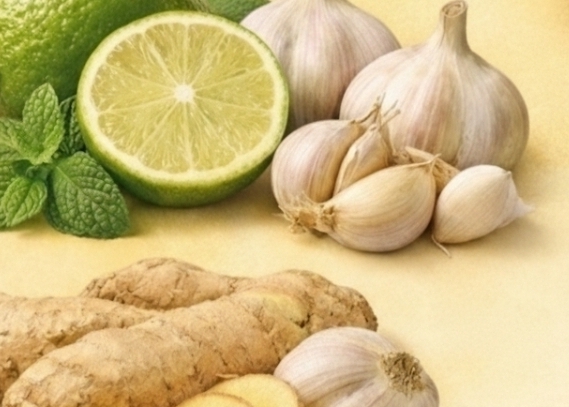
🧄 Garlic
Garlic contains sulfur compounds such as allicin that have been studied for cardiovascular support. Research suggests garlic may help:
- Maintain healthy LDL cholesterol levels
- Support circulation
- Reduce oxidative stress on arterial walls
Raw, lightly cooked, or aged garlic can all provide benefits.
🌕 Turmeric
Turmeric contains curcumin, a plant compound linked to anti-inflammatory and antioxidant activity.
It may help:
- Support arterial flexibility
- Reduce inflammatory signaling
- Promote overall vascular comfort
Pair turmeric with black pepper to enhance curcumin absorption.
🍓 Berries
Blueberries, strawberries, raspberries, and blackberries are rich in flavonoids and fiber.
Regular consumption has been associated with:
- Improved cholesterol balance
- Reduced oxidative stress
- Better endothelial function
They’re easy to add to yogurt, oatmeal, or snacks.
🌰 Nuts and Seeds
Almonds, walnuts, flaxseed, chia seeds, and pumpkin seeds provide:
- Heart-healthy fats
- Magnesium
- Plant sterols that support lipid balance
A small handful per day can support long-term cardiovascular wellness.
🍵 Green Tea
Camellia sinensis is the source of green tea. It contains catechins, antioxidant compounds associated with:
- Improved arterial function
- Support for cholesterol balance
- Long-term cardiovascular protection
Replacing sugary beverages with green tea is a smart heart-supportive habit.
💊 Are These Foods “Better Than Aspirin”?
Low-dose aspirin is sometimes prescribed to reduce clot formation in specific individuals at elevated cardiovascular risk. However, it is not appropriate for everyone and can increase bleeding risk.
Whole foods do not act like aspirin. Instead, they:
- Work gradually
- Support the body’s regulatory systems
- Provide fiber, antioxidants, and healthy fats
They are not replacements for prescribed medications — but they can complement medical care as part of a sustainable lifestyle strategy.
Always follow your healthcare provider’s recommendations regarding medications.
✅ Daily Habits That Boost Arterial Health
Nutrition works best alongside other consistent habits:
- 🚶♂️ Move at least 30 minutes daily
- 💧 Stay well hydrated
- 🚭 Avoid smoking
- 🍽️ Limit ultra-processed foods
- 🥗 Rotate artery-supportive foods regularly
Consistency matters more than perfection. Small daily actions compound over time.
❤️ Final Thoughts: Feed Your Arteries, Protect Your Heart
Arterial changes develop gradually — and improvement also happens gradually.
By:
- Swapping processed snacks for nuts or berries
- Adding leafy greens and garlic to meals
- Choosing fatty fish weekly
- Replacing sugary drinks with green tea
You create a supportive environment for healthy circulation.
Food alone is not a cure — but combined with movement, stress management, sleep, and medical guidance, it becomes one of the most powerful tools for protecting long-term heart health.
Your arteries work for you every second of the day. Supporting them daily is one of the best investments you can make.