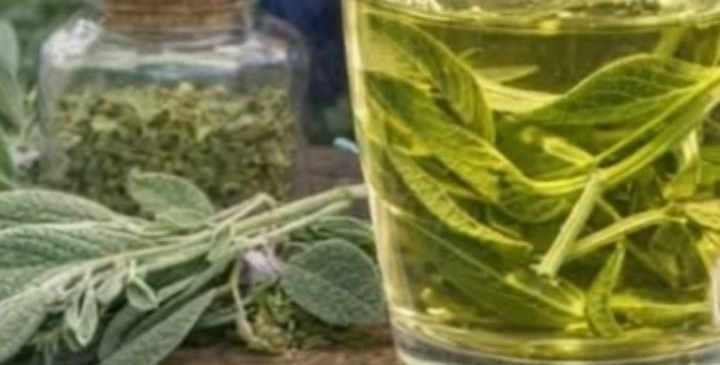
Sage Leaves: Properties and Benefits is a topic that has gained growing attention in the world of natural health. Sage leaves are one of the oldest and most respected medicinal plants in history. Used since the time of the Roman Empire and in healing traditions such as Ayurveda and Traditional Chinese Medicine, this aromatic herb not only enhances the flavor of food but also offers an impressive range of health benefits.From easing digestive problems to supporting hormonal balance and improving memory, sage has earned a special place in natural medicine cabinets around the world. In this article, you’ll learn what sage is, what it’s used for, its main medicinal properties, and how to prepare it as tea, mouth rinse, baths, and poultices.1. What Is Sage and Why Is It So Powerful?Sage (Salvia officinalis) is a perennial plant native to the Mediterranean region. Its gray-green, silvery leaves contain essential oils, flavonoids, phenolic acids, and antioxidant compounds that give it anti-inflammatory, antimicrobial, digestive, and protective properties.Key chemical components:Essential oils: thujone, cineole, borneolRosmarinic acidFlavonoids (antioxidants)TanninsVitamin K, calcium, and ironThanks to this rich composition, sage has been used for centuries to support both physical and mental health.2. Main Benefits of Sage Leaves1. Improves digestionSage tea helps relieve gas, bloating, mild constipation, and stomach cramps. It stimulates the production of gastric and bile juices, supporting better digestion.2. Eases menopause symptomsSage has natural phytoestrogen-like effects, which may help reduce hot flashes, night sweats, and irritability associated with menopause.3. Helps with anxiety and insomniaIts calming compounds support the nervous system and may promote deeper, more restful sleep.4. Improves memory and concentrationScientific studies suggest that sage extract can improve cognitive performance and may help protect against neurodegenerative conditions such as Alzheimer’s disease.5. Helps regulate the menstrual cycleSome of its phytochemicals support hormonal balance and may help relieve menstrual cramps.6. Antibacterial and antiviral actionSage is useful for colds, sore throats, and oral infections. It can be taken as tea or used as a gargle.7. Reduces excessive sweatingUsed internally or externally, sage may help reduce excessive sweating (hyperhidrosis).8. Promotes oral healthSage is excellent for inflamed gums, mouth ulcers, bad breath, and minor mouth infections. A sage mouth rinse is a powerful natural remedy.9. Supports detoxificationIts mild diuretic properties help the body eliminate toxins and support kidney function.10. Strengthens the immune systemThanks to its high antioxidant content, sage helps protect cells and supports the body’s natural defenses.3. How to Prepare Sage for Medicinal UseSage tea (infusion)1 tablespoon of fresh or dried sage leaves1 cup of hot waterSteep for 5–10 minutesDrink 1–3 times a day as neededMouth rinsePrepare a strong sage infusionLet it coolUse for gargling or as a mouthwash after brushingRelaxing baths2 cups of sage leaves in 2 liters of boiling waterLet steep for 15 minutesStrain and add to bathwaterSoak for 20 minutesPoulticesCrush fresh sage leavesApply to insect bites, minor wounds, or inflamed areasSage tinctureMacerate sage leaves in 40% alcohol for 15 daysUse diluted drops for specific applications4. Traditional and Cultural UsesIn many cultures, sage has been used not only as a physical remedy but also for spiritual purposes. Some Native American traditions burn sage as incense to cleanse spaces of negative energy. In medieval Europe, there was a saying: “Why should a man die when he has sage in his garden?”—a reflection of how highly this plant was valued.5. Contraindications and PrecautionsAlthough sage is very beneficial, it should be used in moderation:Not recommended for long-term use or in very high dosesAvoid during pregnancy or breastfeeding without medical adviceMay interfere with hormonal medications or contraceptivesPeople with epilepsy should consult a doctor before using sage due to its thujone content6. Uses of Sage in Cooking and at HomeBeyond its medicinal uses, sage is highly valued as a culinary herb:Adds flavor to meats, soups, sauces, and vegetablesCan be used to infuse oils and vinegarsDried leaves can be placed in sachets to naturally scent closets and drawers7. How to Grow Sage at HomeSage is easy to grow:It needs direct sunlight and moderate wateringGrows well in pots or gardensYou can harvest the leaves when they are green and dry them in the air for storage8. Different Types of SageThere are more than 900 species of sage worldwide. Some of the most well-known include:Salvia officinalis: the most commonly used for remedies and cookingSalvia sclarea (clary sage): often used for hormonal balanceSalvia hispanica: the plant that produces chia seedsSalvia divinorum: has psychoactive properties and is not recommended without supervisionConclusion: Sage Leaves, a True Gift from NatureSage leaves are one of nature’s most complete herbal gifts. Their use in traditional medicine and modern research shows their great potential as a healing plant. From supporting hormonal balance to easing digestive issues and improving memory, sage can be a powerful ally when used wisely and in moderation.Exploring Sage Leaves: Properties and Benefits can make a real difference in your overall well-being. Whether as tea, mouth rinse, poultice, or essential oil, sage’s benefits are as diverse as they are impressive.If you’re looking for a natural, effective, and versatile remedy, sage deserves a place in your home.Disclaimer: This article is for informational purposes only and does not replace professional medical advice. Always consult a healthcare provider before using sage for medicinal purposes, especially if you have a medical condition or take medication.
Sage Leaves: Properties and Health Benefits