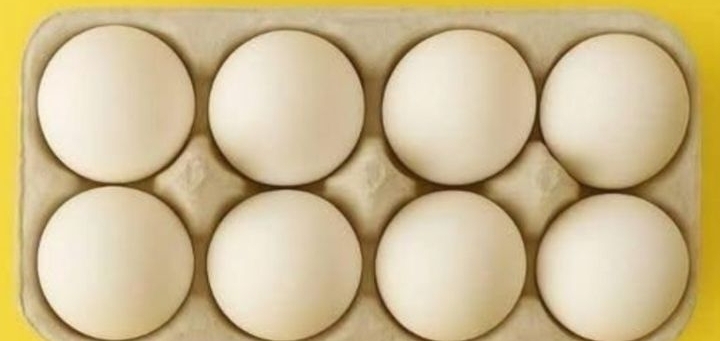

Here’s the scenario: you have 6 eggs, you break 2, cook 2, and eat 2. The question is, how many eggs are left?
The answer lies in understanding that the same 2 eggs are being used for each action. You break 2 eggs to cook them, cook those same 2 eggs, and then eat them. That means the other 4 eggs remain untouched.
So, the correct answer is: 4 eggs. These 4 eggs didn’t participate in any of the actions, so they’re still intact.
Why do people get confused?
Our brains tend to assume each action involves different eggs.
We often read quickly and make assumptions without analyzing each step carefully.
This riddle exploits our tendency to overthink and make calculations without considering the c
ontext.¹ ²