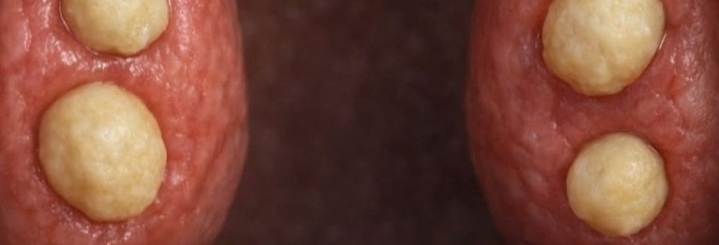

Have you ever coughed up a tiny, hard white lump from the back of your throat and noticed it has an unbelievably foul odor? Many people experience this surprising and unpleasant moment, often leading to worries about oral health or bad breath that just won’t go away. It’s frustrating when something like this affects your confidence in social situations or makes everyday conversations feel awkward. But here’s the good news: these little “stones” are more common than you might think, and there are practical ways to manage them effectively. Keep reading to uncover a simple habit that could make a big difference – you’ll be glad you scrolled down.What Exactly Are These Small White “Stones”?These mysterious white lumps are commonly known as tonsil stones, or tonsilloliths in medical terms. They form in the crevices (called crypts) of your tonsils, the two oval-shaped tissues at the back of your throat that help fight infections.Tonsil stones start as soft debris – bits of food, dead cells, mucus, and bacteria – that get trapped in those natural pockets. Over time, this material hardens or calcifies, turning into small, pebble-like formations that can range from the size of a grain of rice to larger ones.But that hasn’t always been the case for everyone…Some people have deeper or more irregular tonsil crypts, making it easier for debris to accumulate. Research from sources like the Cleveland Clinic notes that tonsil stones are generally harmless but can become a recurring nuisance.Why Do Tonsil Stones Smell So Bad?The real culprit behind that rotten smell is bacteria. Specifically, anaerobic bacteria thrive in the low-oxygen environment inside the stones, producing volatile sulfur compounds (VSCs) as they break down the trapped debris.These VSCs are the same gases responsible for much of chronic bad breath. Studies have shown that tonsil stones can increase the risk of elevated VSCs significantly, explaining why the odor is often described as cheesy, sulfur-like, or downright putrid when the stone is dislodged.It’s not just embarrassing – it can linger even after brushing. The truth is, if you’ve noticed persistent bad breath despite good hygiene, tonsil stones might be playing a hidden role.Here’s a quick comparison of common bad breath
Leave a Comment